


Define what the model needs to learn.
Target tasks, environments, capture modalities, inclusion rules, annotation needs, acceptance criteria, and delivery format are documented up front.
Kenya-based real-world data operations
EgoHub AI builds managed data collection, annotation, quality control, and delivery pipelines for robotics, world models, and physical AI.
Embodied AI data operations
EgoHub AI focuses on real-world embodied intelligence data, connecting managed field operations with a platform workflow built for collection, annotation, QA, and delivery.
Data specs
Every delivery can be organized around an inspectable data brief: task scope, capture protocol, assets, metadata, annotation schema, QA evidence, and a handoff manifest your team can review before training or evaluation.
Delivery and QA
We align the capture brief, annotation schema, review checkpoints, and handoff format before the project begins, so the resulting dataset is easier for research and engineering teams to inspect.
Target tasks, environments, capture modalities, inclusion rules, annotation needs, acceptance criteria, and delivery format are documented up front.
Clips can be paired with task, scene, object, action, viewpoint, language, and annotation-version fields as required by the brief.
Capture integrity, protocol compliance, label consistency, and delivery completeness are checked with issue tracking and QA notes where applicable.
Assets, metadata, annotation files, QA status, known issues, and dataset versioning can be supplied through a clear manifest.
Capabilities
Managed field teams capture physical AI data from urban, indoor, mobility, retail, and human-task environments across Kenya.
Task labels, scene context, object states, action traces, and quality notes prepared for robotics, world models, and multimodal AI.
Layered review, sampling, issue tracking, and delivery checks keep datasets useful before they reach model training teams.
EgoHub Data Platform organizes collection briefs, annotation workflows, QA evidence, and export-ready data packages.
Data categories
Video cases
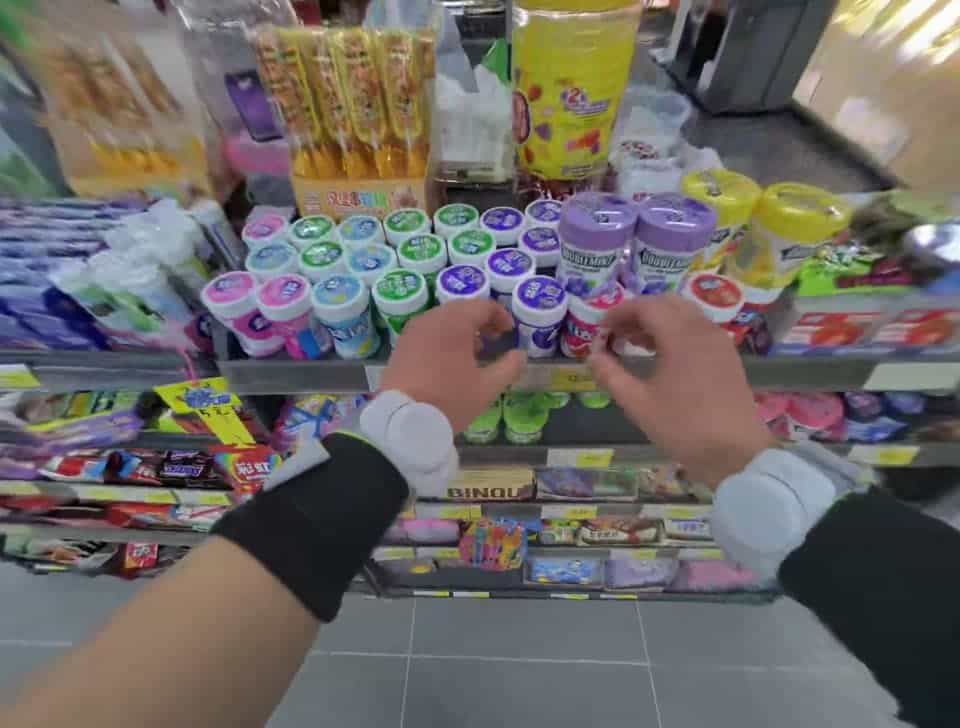
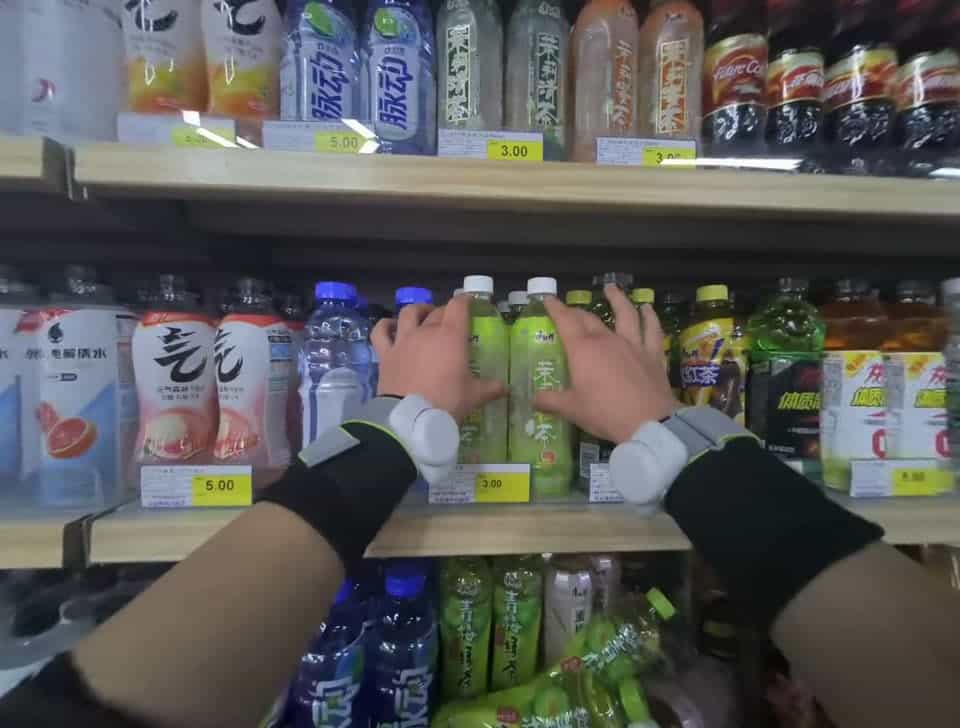
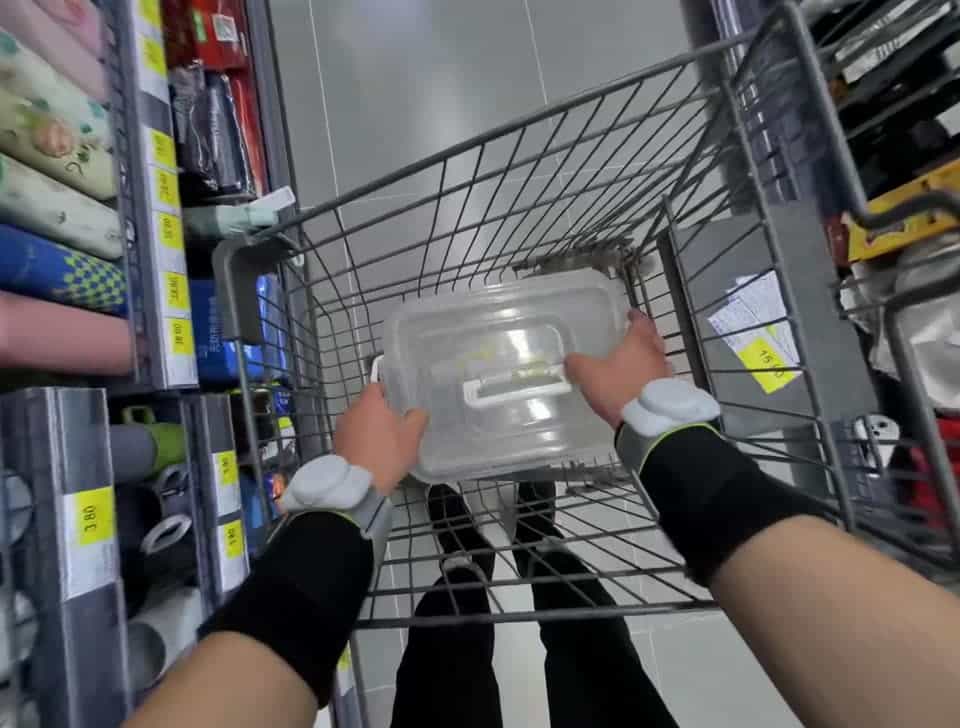
First-person shelf work capturing bottle pickup, category sorting, placement, and front-facing product alignment.
A compact retail replenishment task with package handling, display inspection, and precise checkout-shelf placement.
A multi-step store workflow covering label removal, replacement, verification, and storage of the used tag.
Fine shelf-facing behavior with bottle grasping, orientation correction, spacing, and final visual alignment.
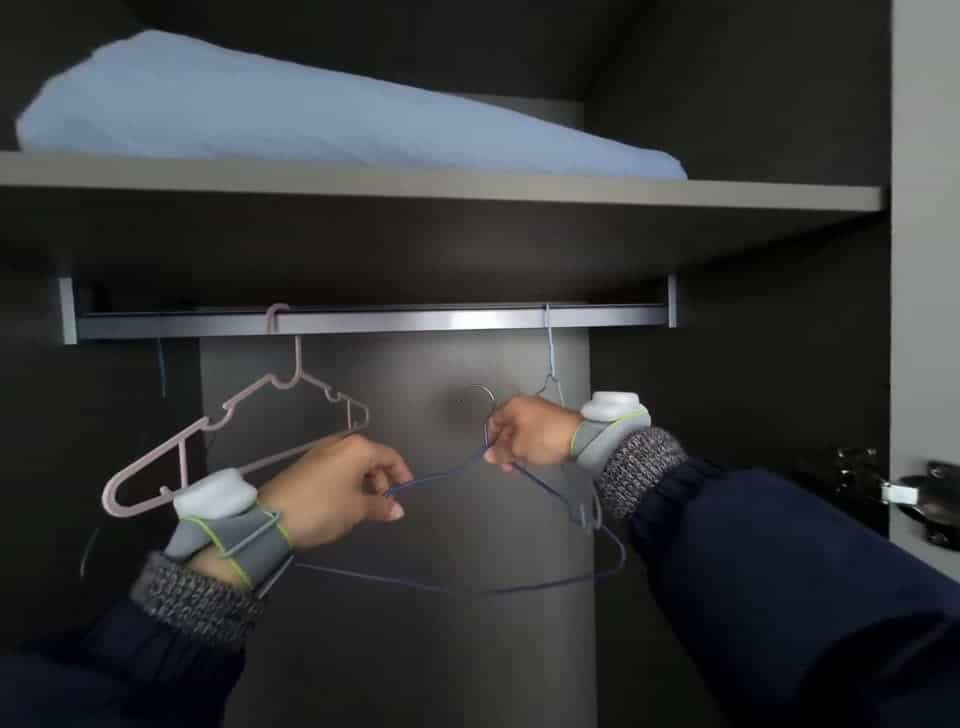
Two-handed manipulation of deformable garments and hangers inside a constrained wardrobe environment.
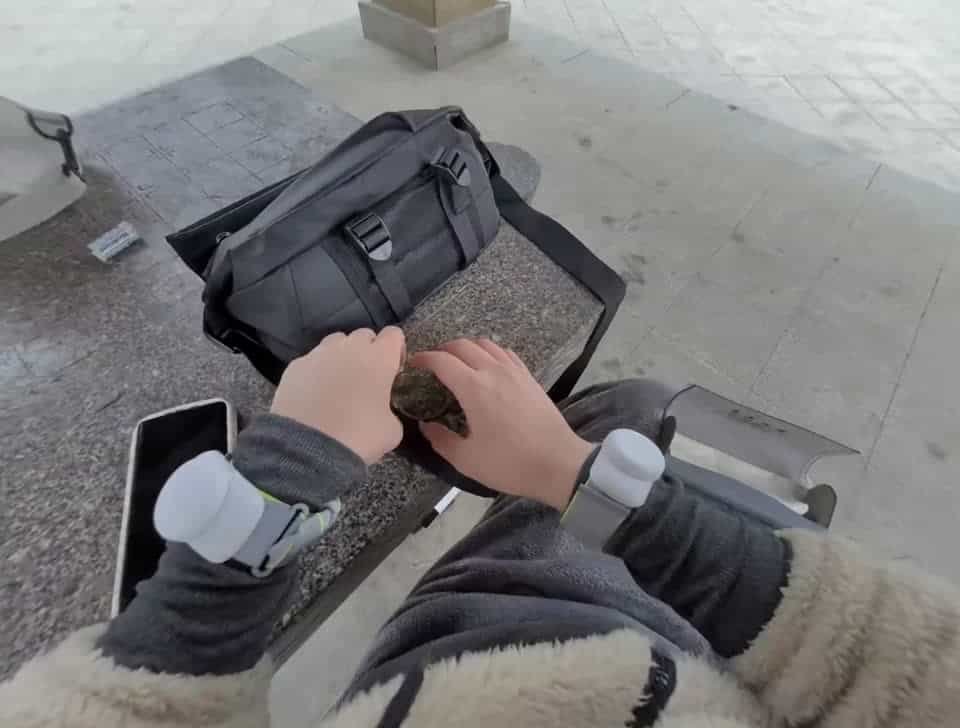
A short pick-and-place sequence showing object recognition, spatial grouping, and careful food handling.
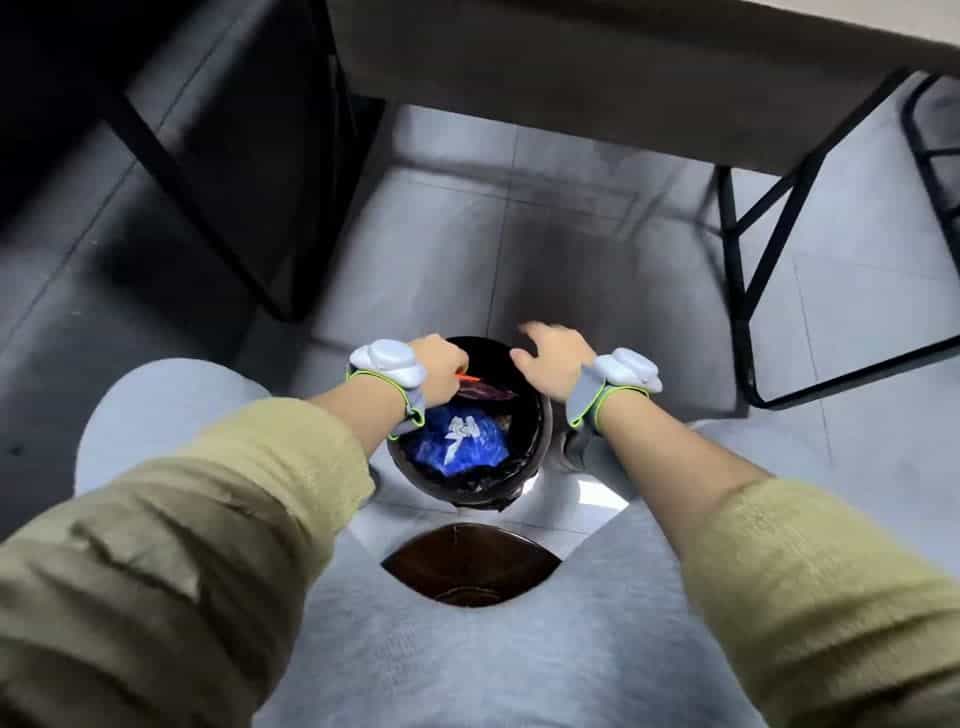
Desktop cleanup with visual search, collection of small waste items, and disposal into a nearby bin.
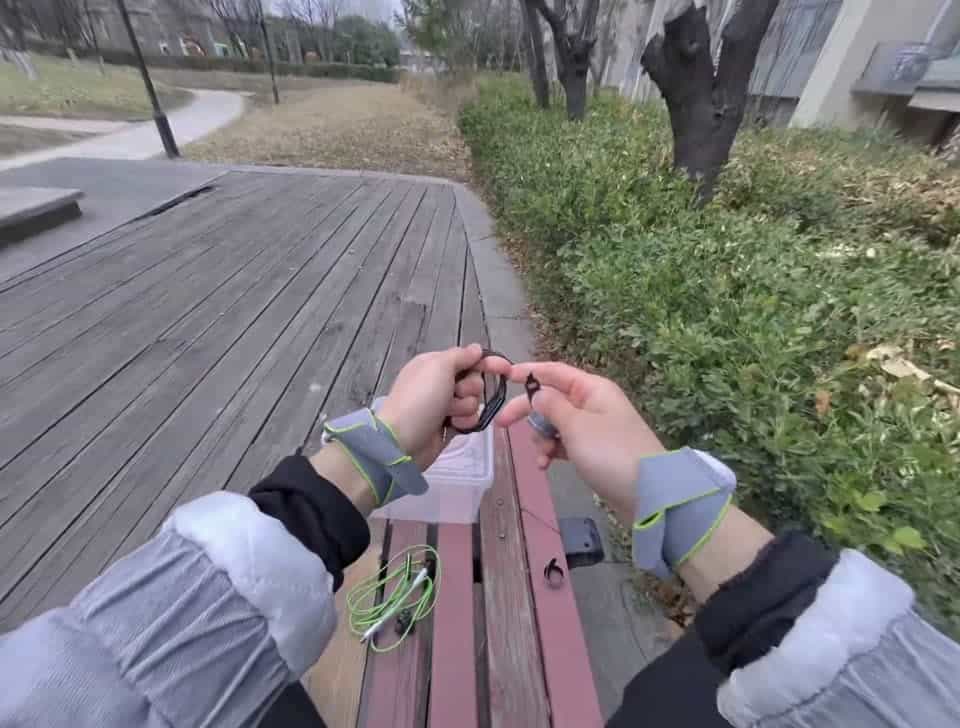
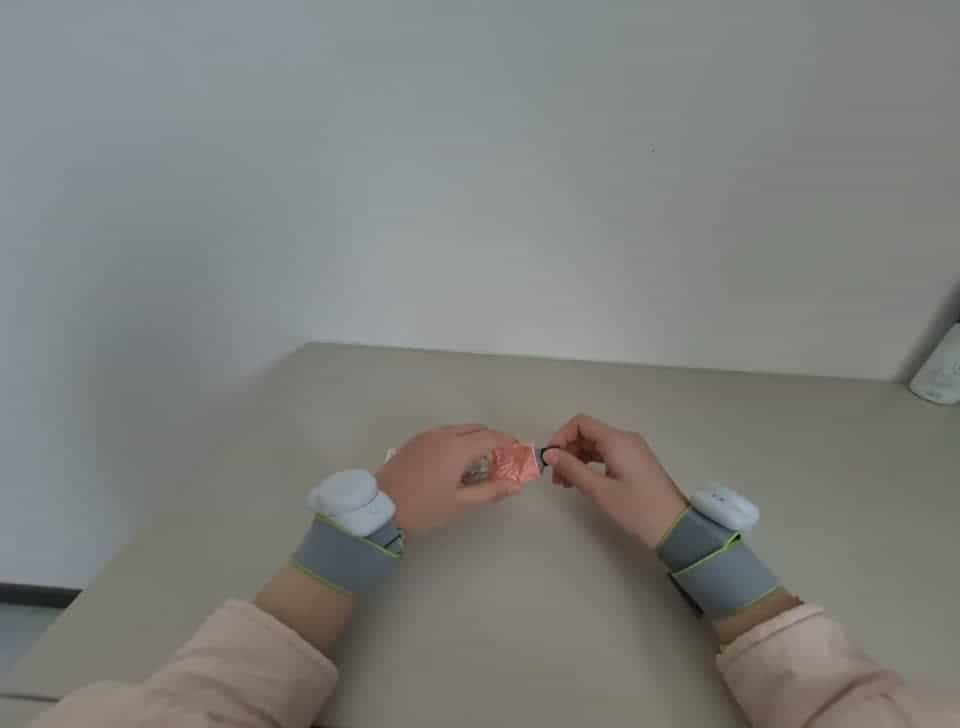
Bimanual handling of a flexible cable, including endpoint control, repeated coiling, and compact placement.
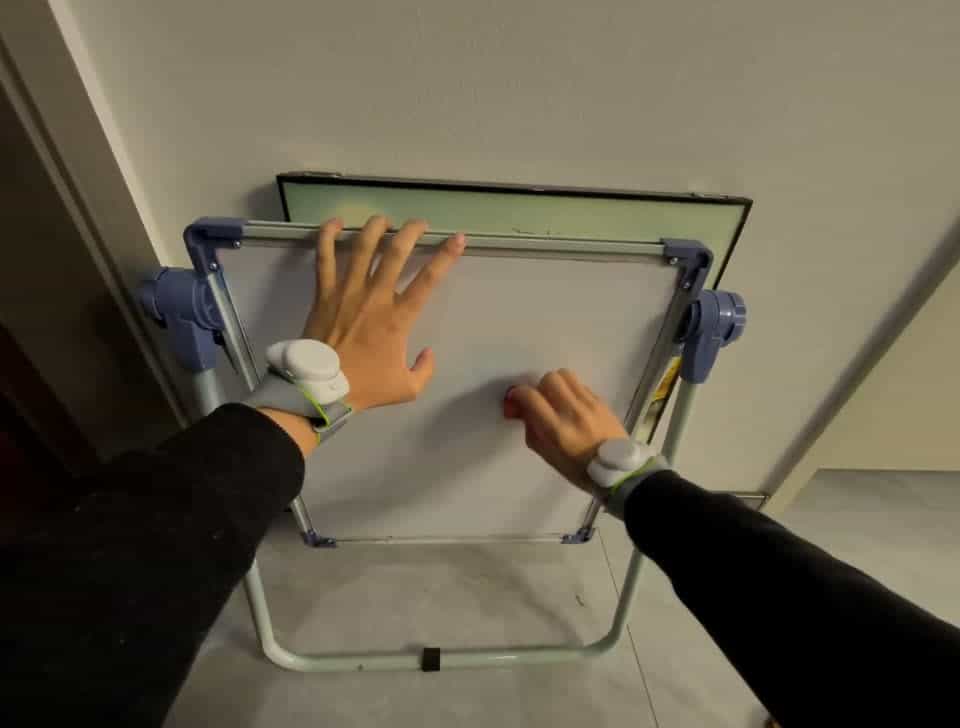
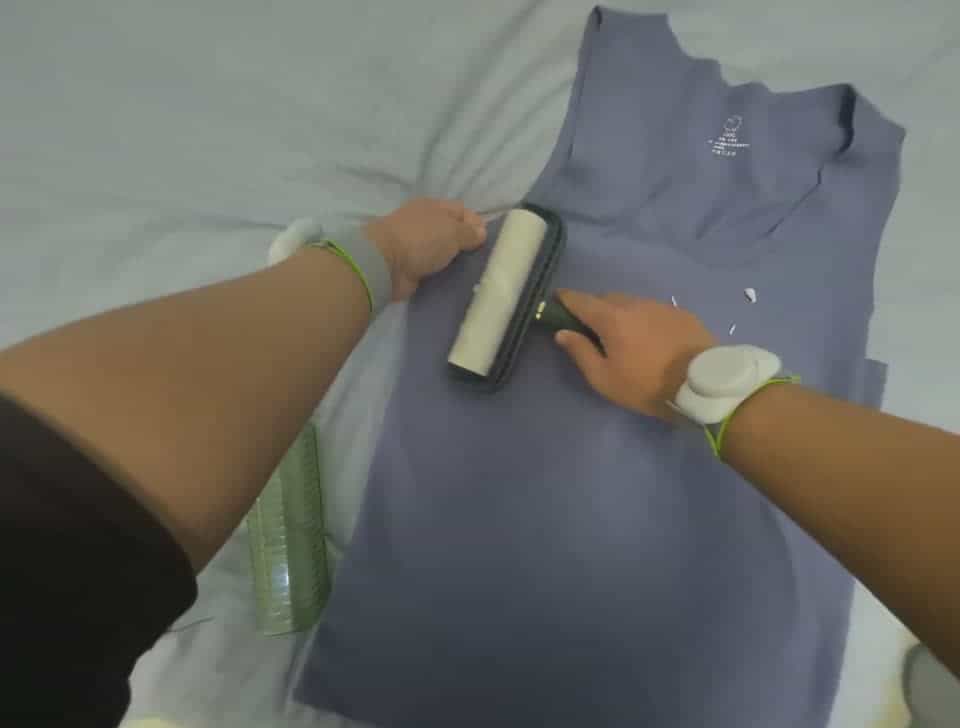
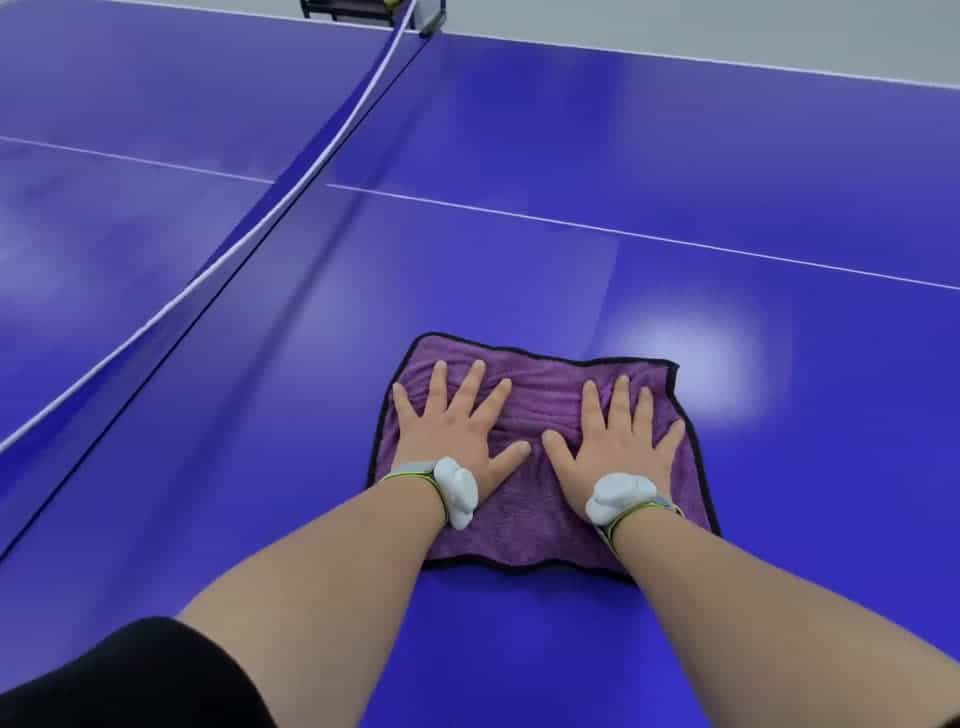
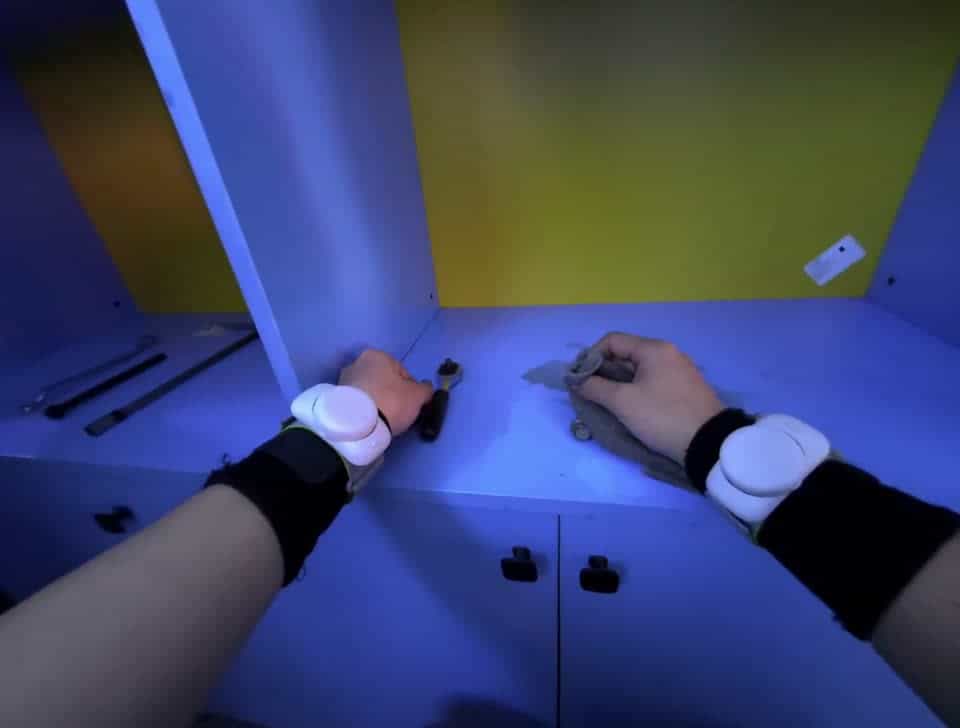
Broad surface wiping with tool contact, coverage planning, repeated passes, and completion inspection.
Delicate stem selection, insertion, rotation, and composition inside a vase using coordinated two-hand motion.
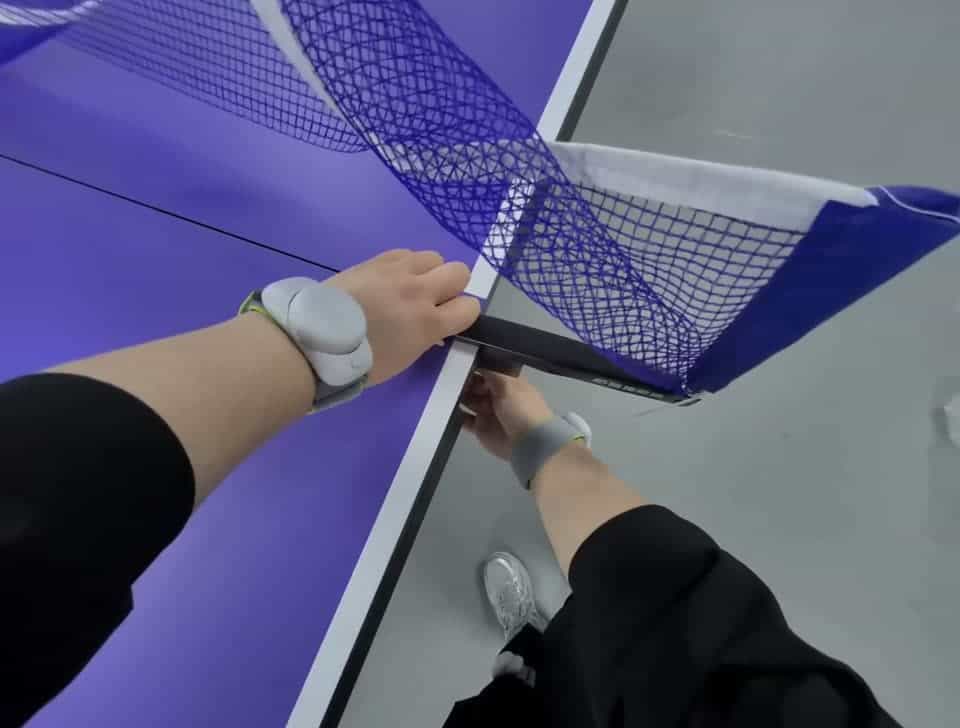
Long-horizon assembly with component positioning, clamp adjustment, tensioning, and cross-table coordination.
Close-range manipulation of a hinged container, capturing grasp transitions, opening state, and object access.
A detailed untangling and coiling task requiring cable tracking, endpoint separation, and bimanual coordination.
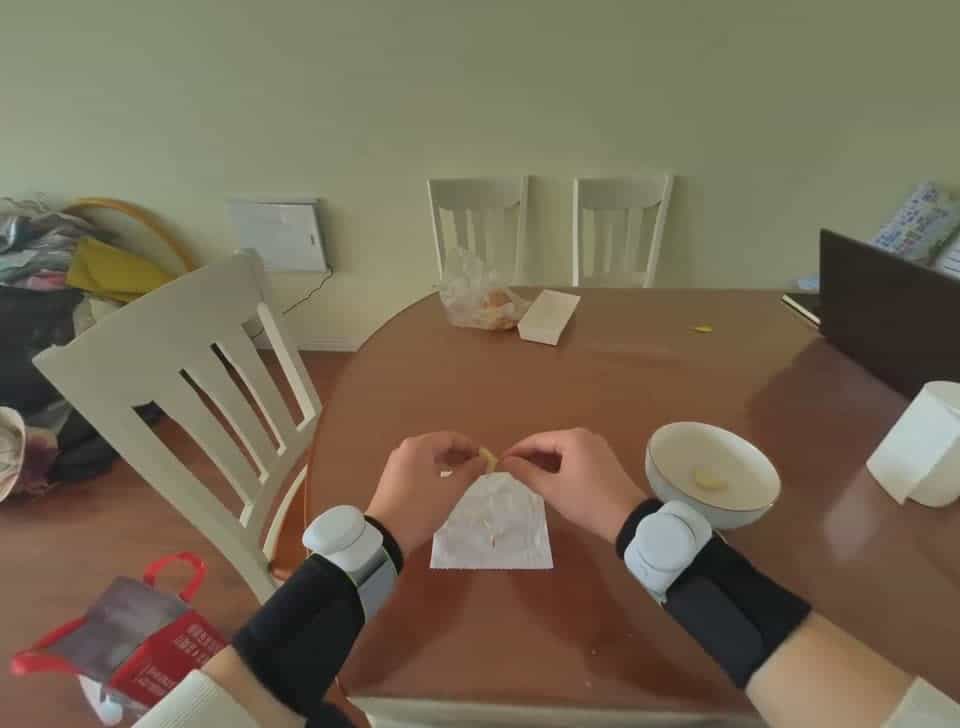
Fine finger manipulation for separating cloves, removing skin, and preparing ingredients on a work surface.
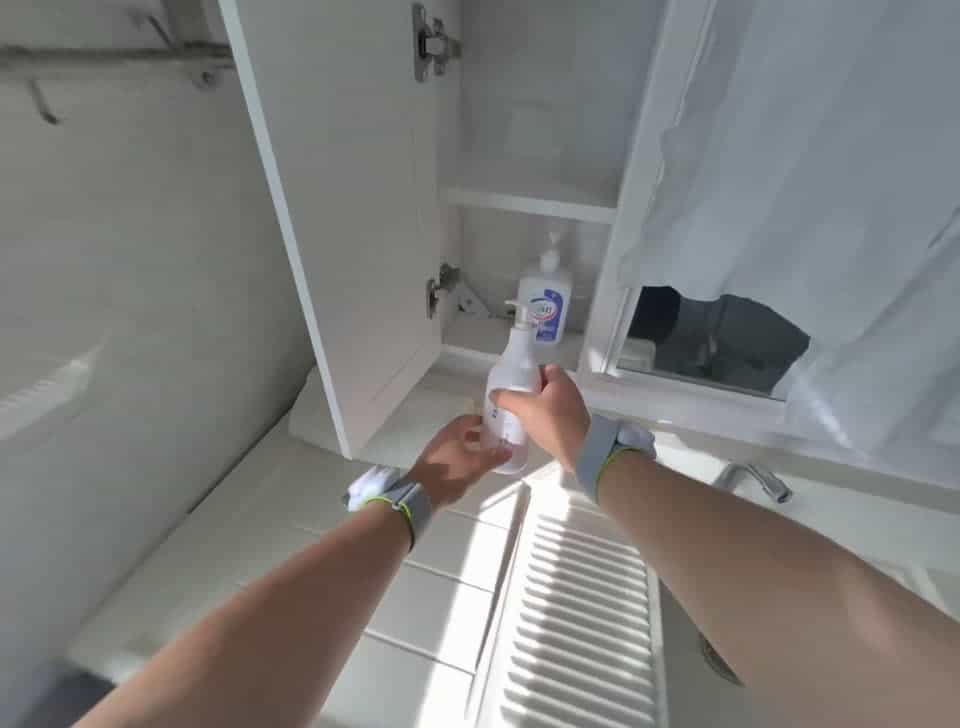
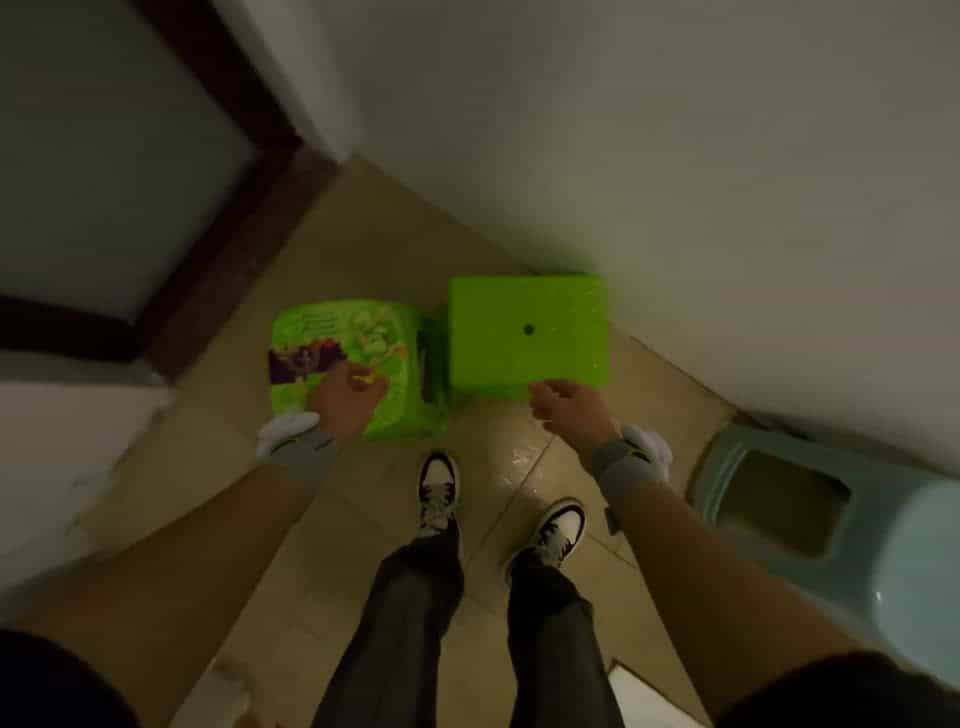
Whole-body object relocation through a narrow bathroom space with obstacle awareness and final placement.
Retrieval and cabinet storage with box handling, shelf localization, door interaction, and task completion.
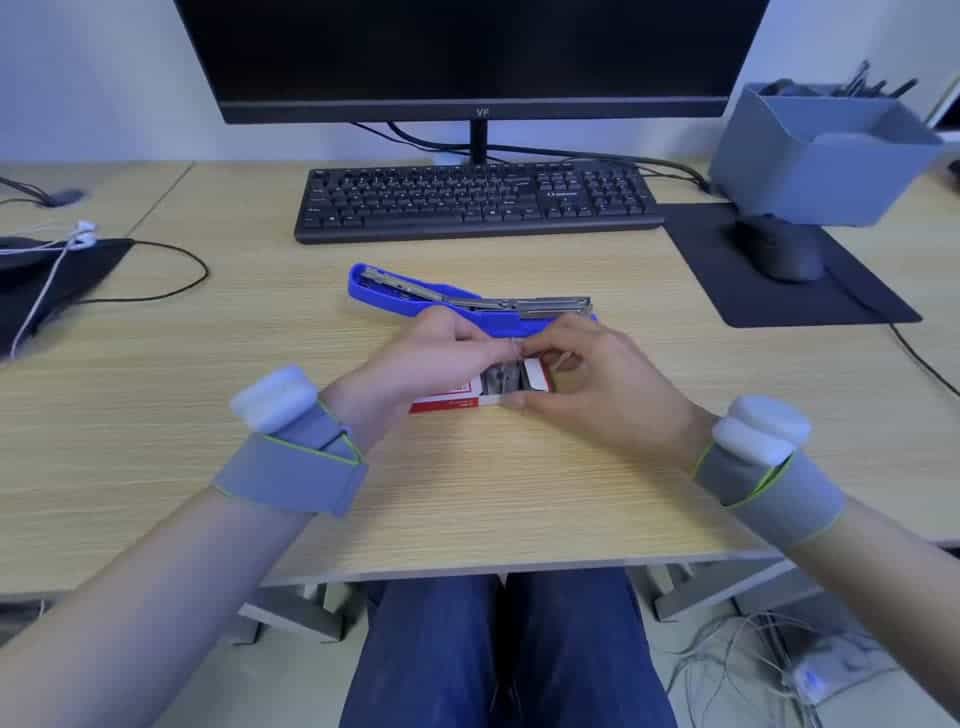
Tool-state reasoning through opening a stapler, positioning a staple strip, closing, and checking readiness.
Battery replacement with cover removal, polarity-aware insertion, closure, and small-component handling.
Long-form bimanual manipulation of a flexible sheet, maintaining edge alignment and consistent roll tension.
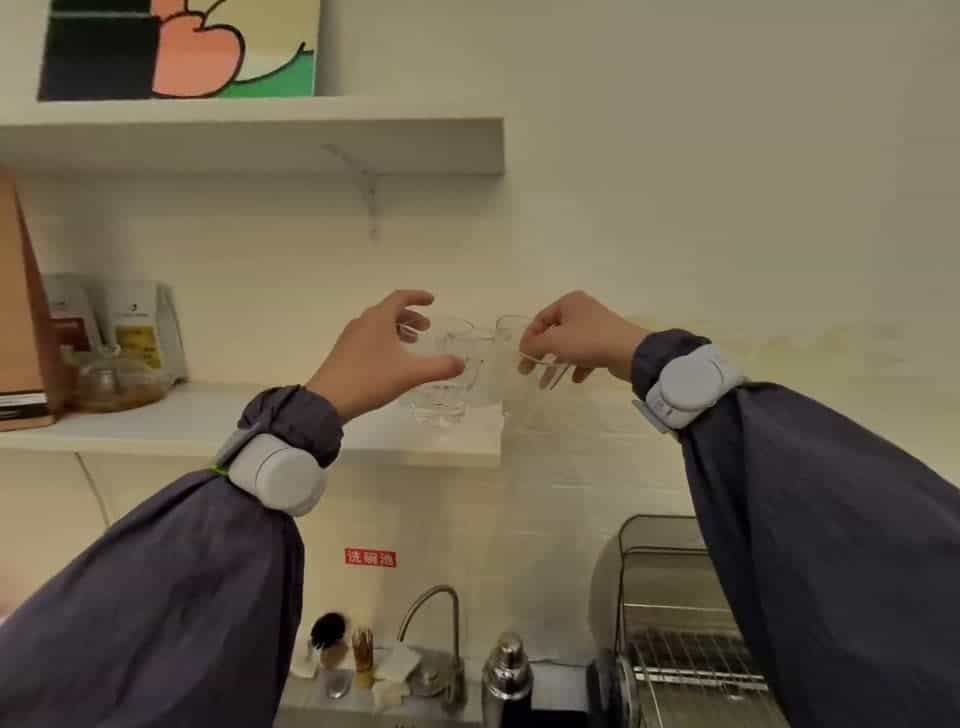
Sorting clean drinkware by type and placing it into storage with grasp, stack, and collision awareness.
Repeated utensil pickup, visual classification, orientation, and placement into a divided organizer.
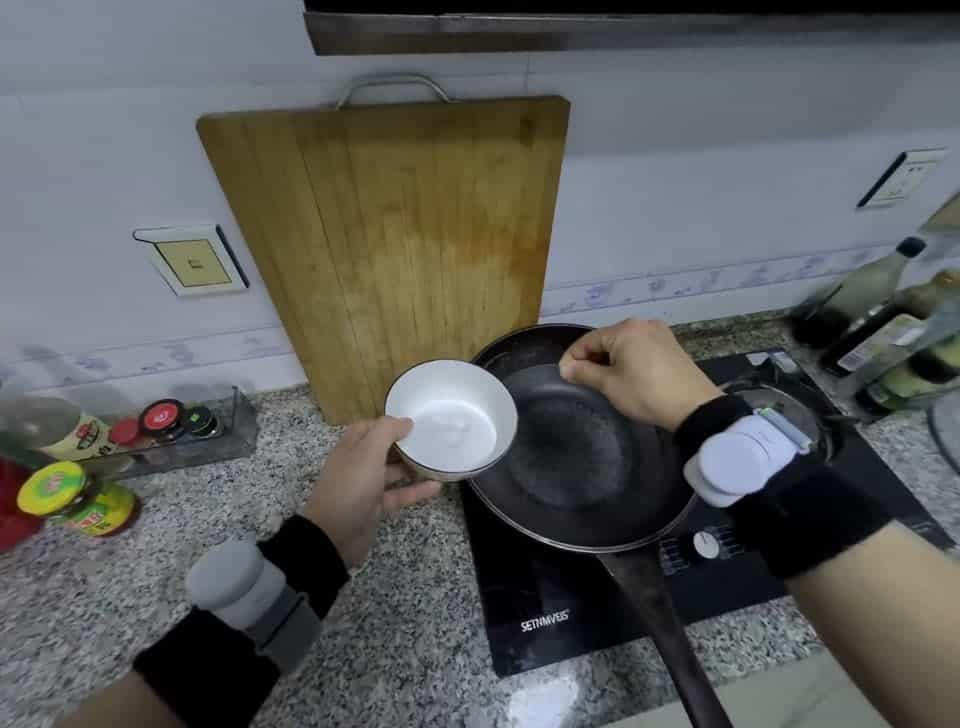
Container opening, controlled dispensing, and closure capture a compact sequence with quantity-sensitive motion.
Cabinet loading with repeated cup transfer, shelf placement, spacing decisions, and door interaction.
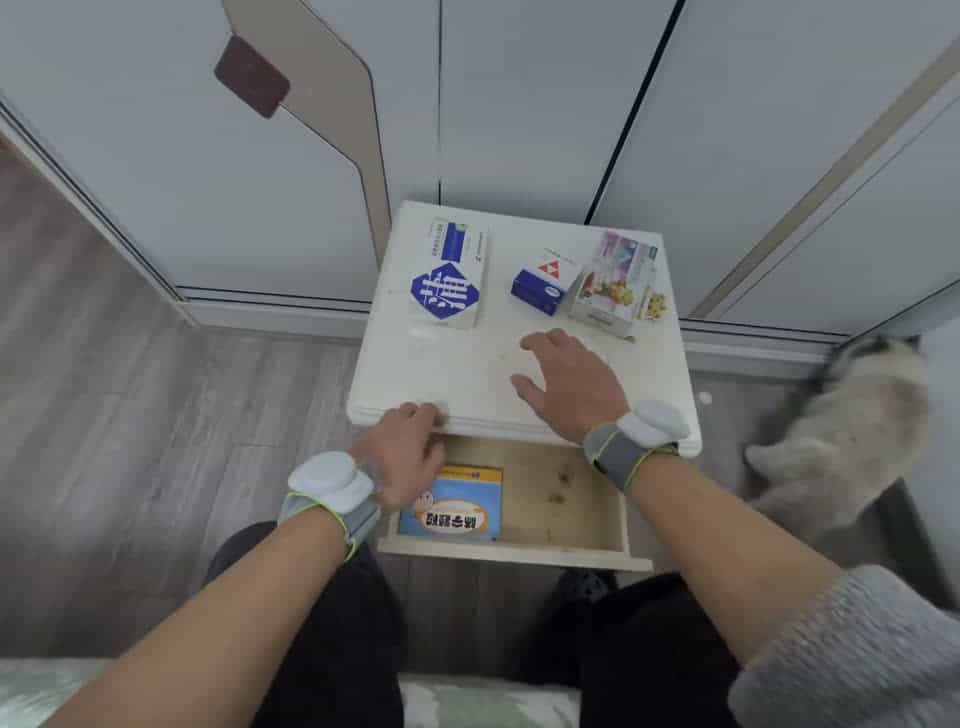
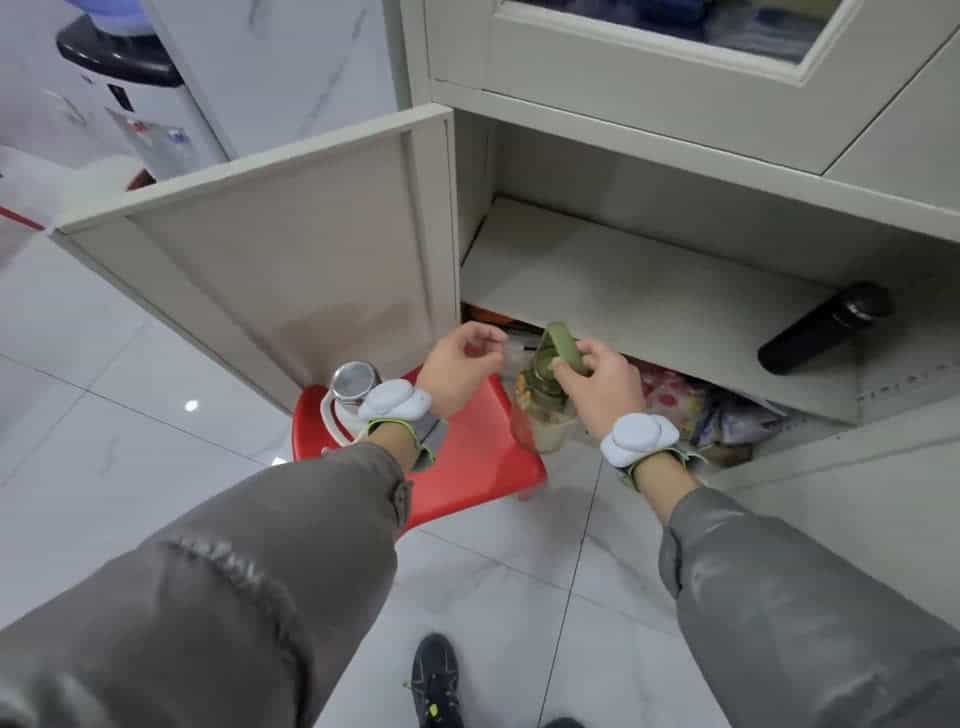
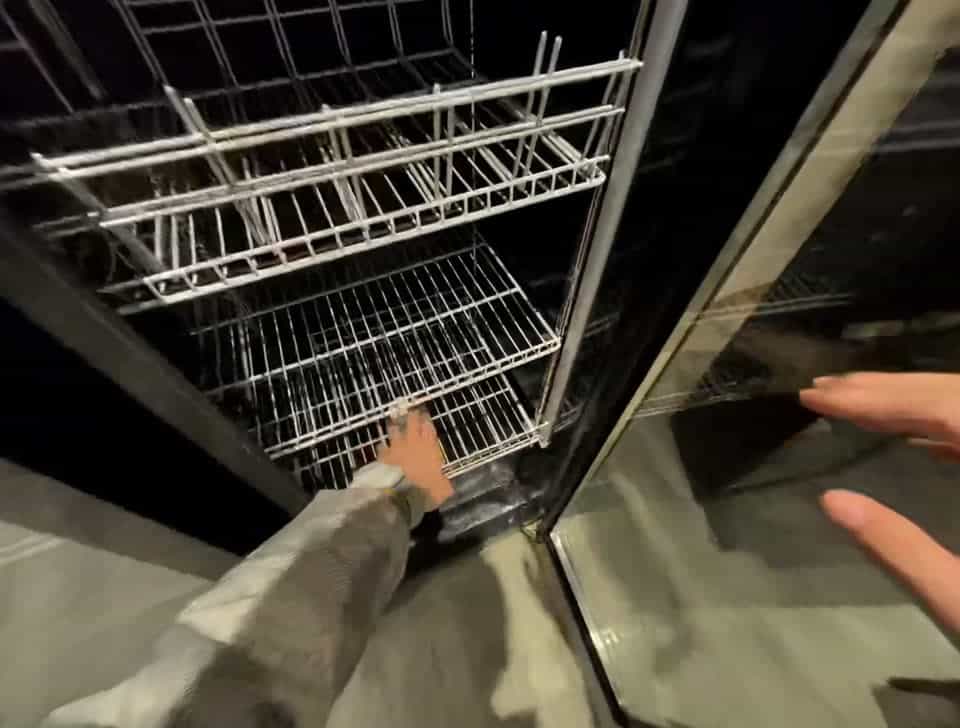
A short retrieval task covering cabinet access, target selection, grasping, and environment state change.
Two-handed tube stabilization and rotational cap tightening with small-object alignment and torque control.
A second stapler-loading sequence with tray access, refill alignment, closure, and functional handling.
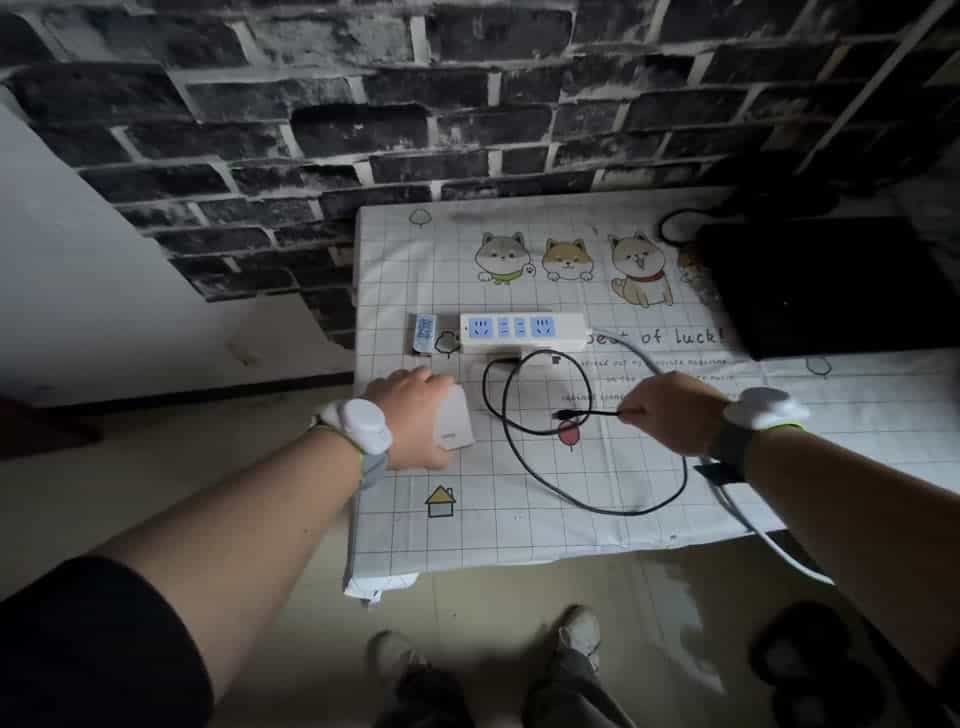
Cable tracing and plug removal from a constrained outlet area with controlled force and endpoint awareness.
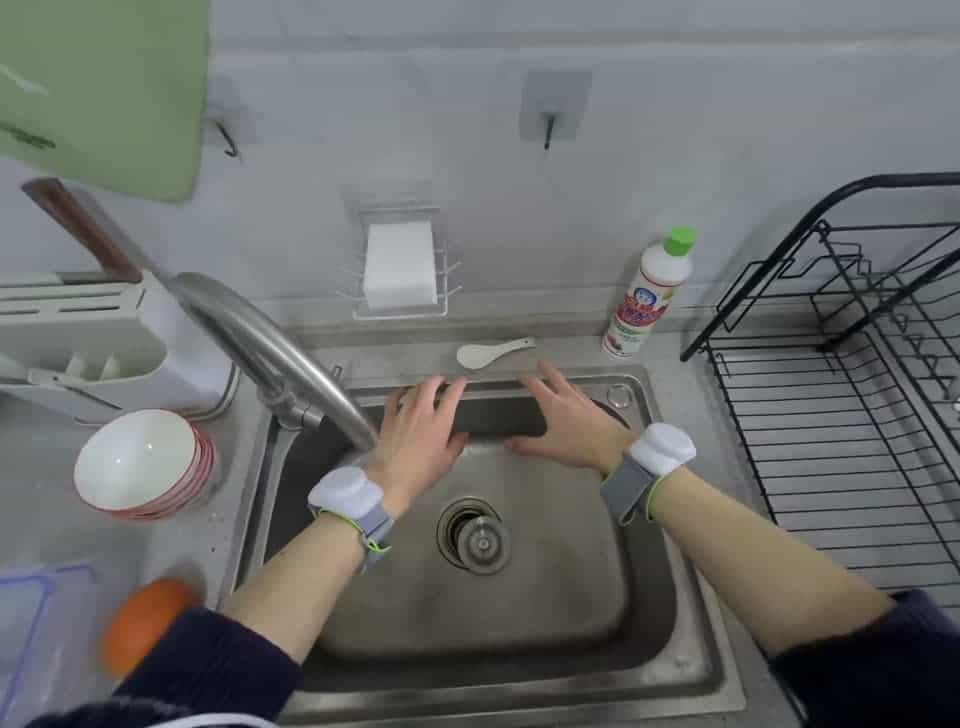
Sink-side dish washing with water control, surface coverage, rinsing, and wet-object handling.
Extended whole-body cleaning over a large surface with route planning, reach, and coverage inspection.
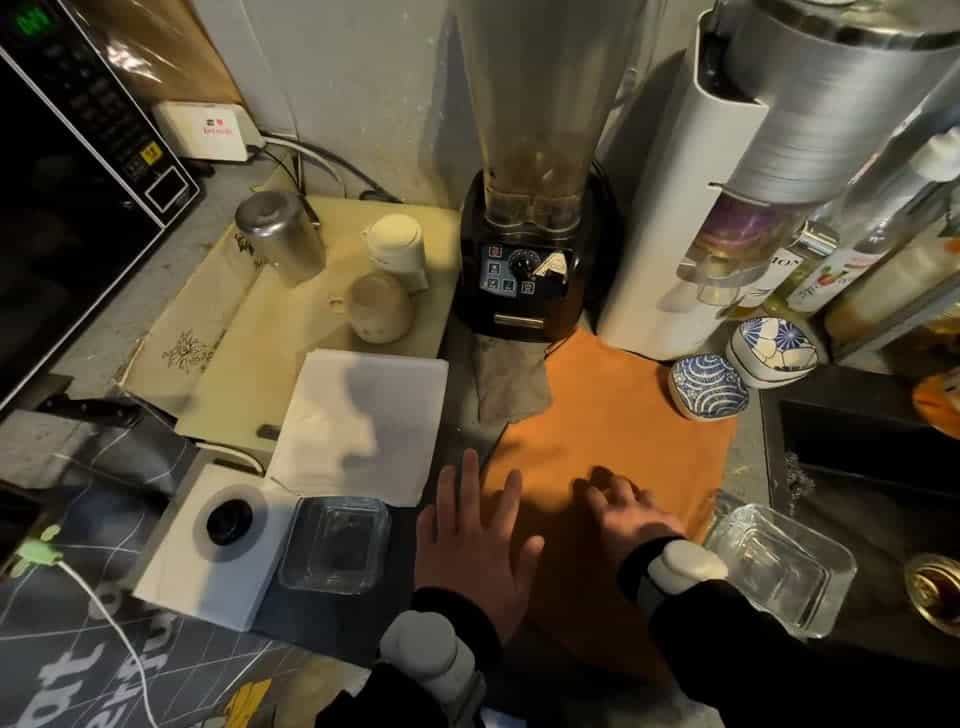
Long-horizon workbench cleaning around tools and obstacles with repeated wiping and workspace reset.
EgoHub Data Platform
Translate the brief into field tasks, capture protocols, consent handling, and operational checks.
Structure scenes, actions, objects, instructions, and review notes into model-usable formats.
Review samples, flag ambiguity, verify completeness, and document delivery confidence.
Package datasets, metadata, quality evidence, and handoff notes for downstream AI teams.
About Us
Egohub is a data infrastructure company built for Physical AI, providing high-quality, scalable real-world data for embodied AI, world models, and robotics research and development.
Powered by a globally distributed data collection network, an AI-driven automated pre-labeling platform, and a rigorous human quality assurance system, Egohub delivers end-to-end services spanning data requirements analysis, collection program design, data collection, annotation, quality control, and delivery.
Egohub currently operates across more than ten countries in Asia, Africa, and other regions, covering dozens of real-world environments, including homes, offices, retail spaces, manufacturing facilities, and agricultural settings. By providing diverse, authentic, and scalable real-world data, Egohub helps customers accelerate the training, evaluation, and deployment of Physical AI models.
Kenya hub
EgoHub AI is positioned in Kenya to support diverse field environments, multilingual operations, and managed teams that can translate physical-world tasks into dependable data workflows.
The result is a practical bridge between AI infrastructure and the hard-to-capture reality that robotics systems need to learn from.
Working with EgoHub AI
Embodied AI data captures how people, objects, spaces, and tasks interact in the physical world. It can support robotics, world-model, multimodal, evaluation, and physical AI workflows.
Depending on the brief, a package can include video assets, capture specifications, metadata, annotation files, QA notes, known-issue references, and a delivery manifest.
Quality checks can cover capture integrity, protocol compliance, annotation coverage and consistency, issue tracking, and final delivery validation against the agreed brief.
Start with the target task, operating environment, required modalities and viewpoints, annotation schema, acceptance criteria, and the format your training or evaluation pipeline expects.
Start a data pipeline